INDOOR SHOOTING RANGE
NEWS / INSIGHTS / INFORMATION
A White Paper: Establishing Your Shooting Range
We often receive requests for pre-verified financial documents / P&L’s or budget models to rapidly secure investor interest. While we understand the desire for immediate validation, our experience shows that a successful indoor shooting range is not built on a generic template. The most meaningful opportunities for profitability, scale, and a successful exit are found through a tailored approach.
Why a "cookie-cutter" model or a copy of another ranges P&L will not suffice:
Confidentiality and Agreement: The detailed Facility Information from our existing client projects is highly confidential. We provide insights and justification against this proprietary data, but the documents themselves are not disclosed, as they are protected by non-disclosure agreements for business development and reference use only.
Uniqueness is Essential: No two ranges are identical. While clients often begin with a vision based on a successful facility they’ve visited, that vision is inevitably refined during the planning process. Success is achieved by understanding and adapting to the unique opportunities, challenges, and limitations of your specific market.
Market Dynamics: The performance of shooting ranges is constantly evolving. A facility designed and programmed today must account for current trends, not the standards of 12 months ago.
Tailored Vision and Demographics: We do not advocate for a duplicative franchise model. True success comes from aligning your business with: (a) your unique vision and (b) the specific needs and desires of your local customer demographic. You are no longer the typical customer; your perspective must be guided by market demands.
Budget Integrity: Even a small modification, such as removing a single shooting lane, changes both your Cost to Establish (CTE) and your Operational Expense (OpEx) budgets. Our process ensures your financial model is dynamic, allowing for real-time adjustments without requiring a complete rebuild.
Without a customized and vetted plan, even the lowest-cost franchise claims or a simple shared model cannot quickly validate your endeavor. For instance, property acquisition costs can vary widely—from $345,000 to over $1,800,000…these are real life prices for land (not buildings to be renovated). An off-the-shelf approach undermines the Range Development Services best practices approach and can severely limit your brand’s chances of a profitable launch, never mind just surviving the process to break ground.
Phase I: The Discovery Phase
The starting point for a successful project is the Discovery Phase. This proven process saves you time and money by delivering the following critical insights and tools:
Vision Modeling: Creating a specific, detailed model of your concept.
Confidential Data Justification: Benchmarking your plan against a wealth of confidential data compiled from years of successful range projects.
Comprehensive Financial Proforma: Providing a dynamic, multi-tab spreadsheet that we customize to your vision. This includes a square footage table of uses, Cost to Establish (CTE), detailed Revenue analysis (by category, margin, COG, etc.), Operational Expenses (30+ line items), Furniture, Fixtures, and Equipment (FF&E), Payroll, Insurance, Cost of Debt, and Cost of Equity.
Only after this robust business model is complete should you begin site selection. Engaging with brokers and property owners prematurely can threaten the integrity of your proforma and the overall process.
Phase II: The Implementation Phase
The Implementation Phase formalizes your strategy and execution, directly tying site selection to the Cost to Establish (CTE) budget developed in the Discovery Phase. Key components include... CLICK THE LINK ABOVE TO ACCESS THE COMPLETE WHITE PAPER.
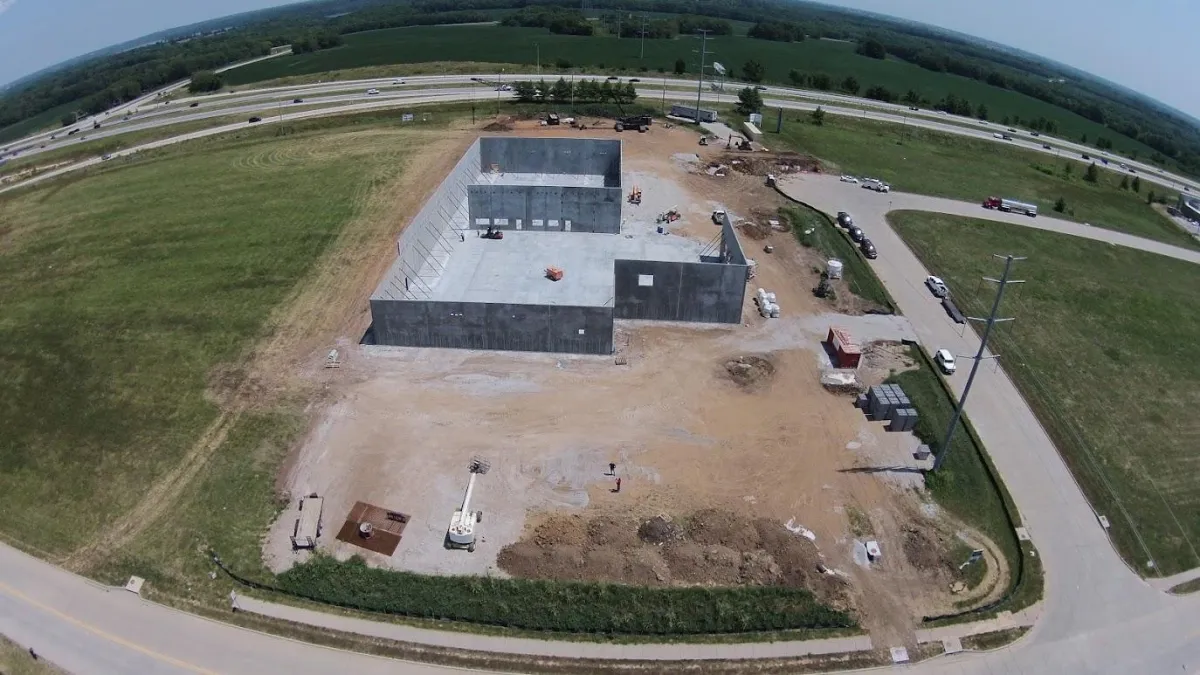
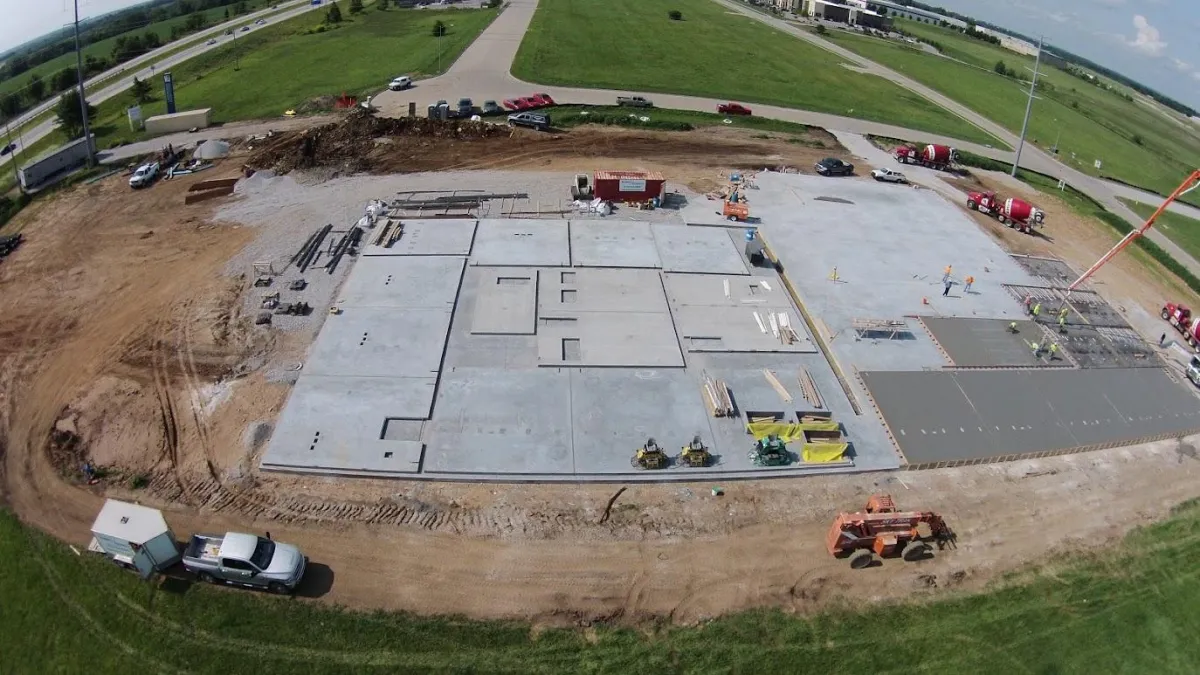
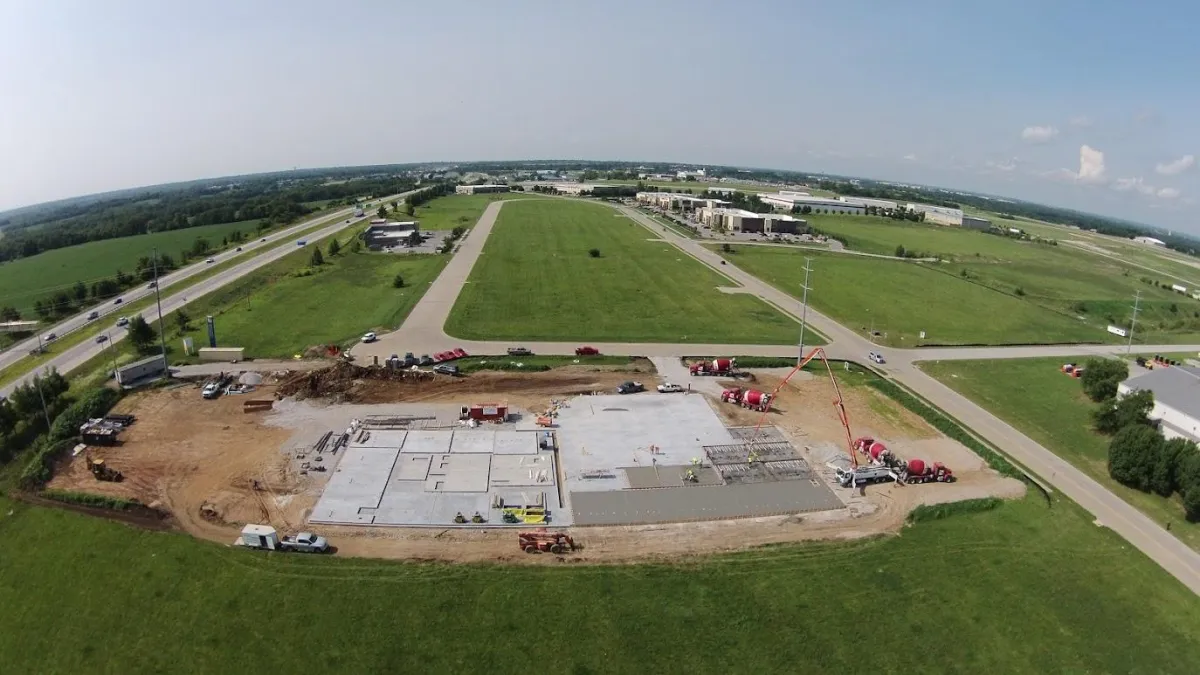
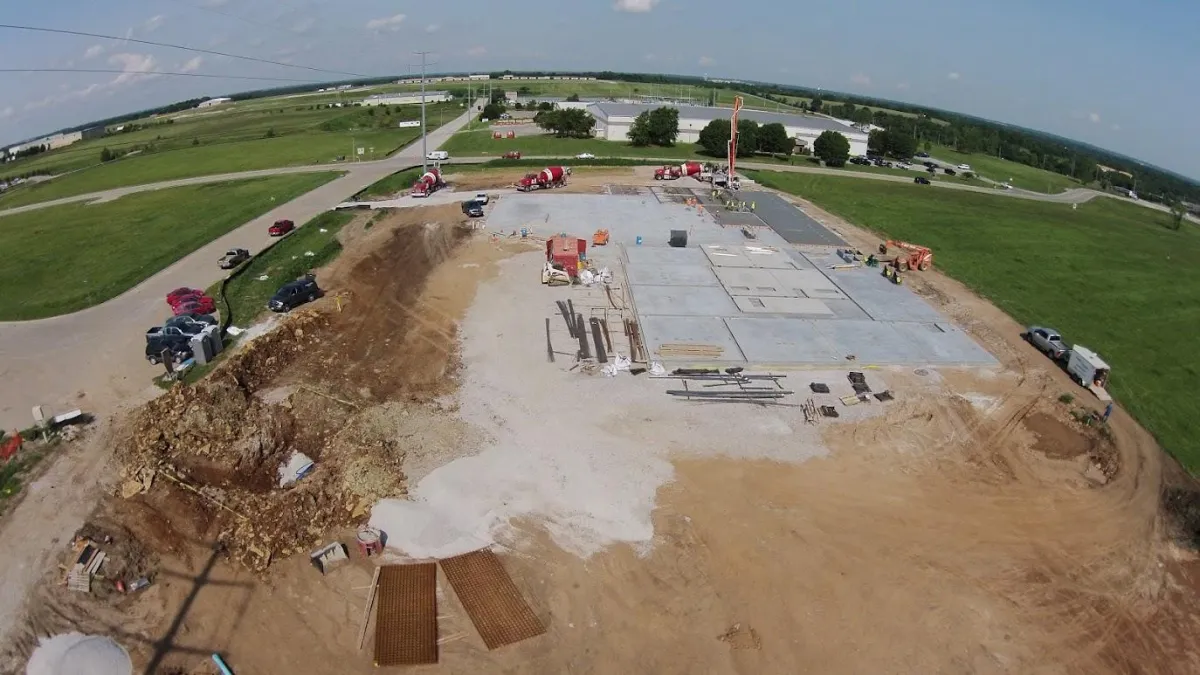
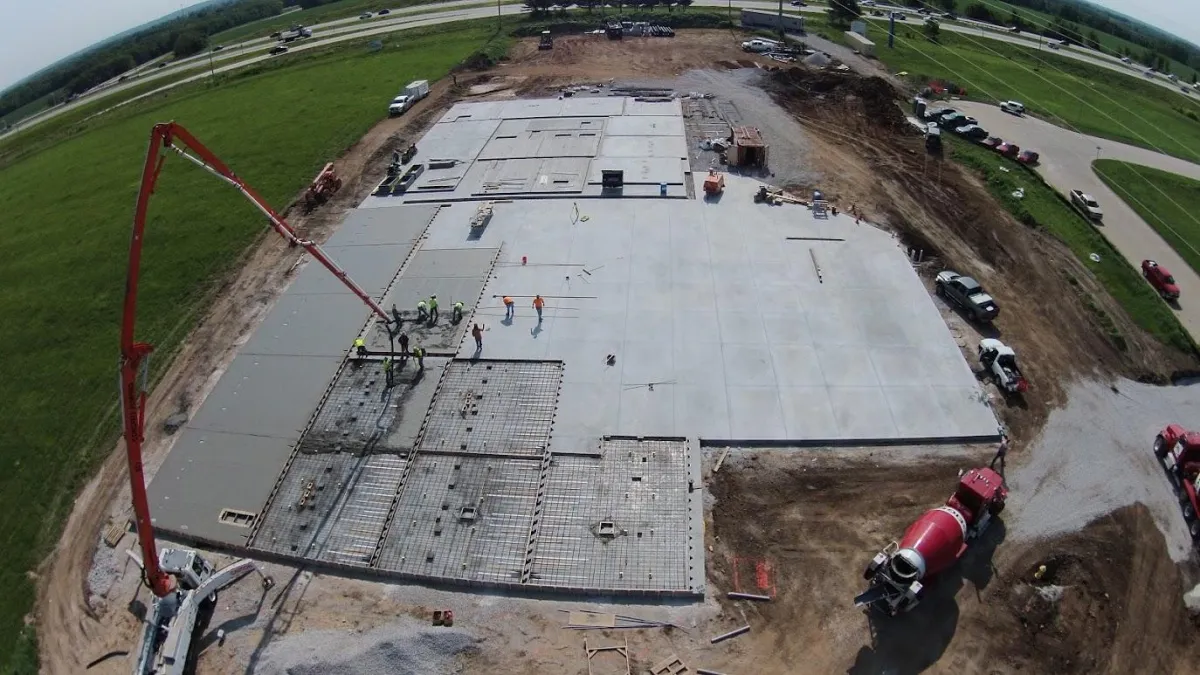
SHOOTING RANGE CONSTRUCTION: Time Lapse Example with Hollow Core Planks
Intersted in breaking ground on YOUR indoor shooting range sooner and with higher-quality plans that result in fewer delays and costly change orders?
Our latest shooting range constrcution budget had a six-figure contingency with less than $8,000 in change orders. Needless to say, we've made significant progress in deploying our shooting range architectural, civil engineering, and general contractor Range Design Guidelines.
The guidelines include a comprehensive checklist organized by each room/use within the shooting range floorplan and further categorized by trade thus the best information for design of ceilings, walls, floors, mechanical, electrical, plumbing, and structural (MEP&S)...all are better informed and result in clarity for the general contractor and their team of sub-contractors. Use of the guidelines will save and your team will gain degree of certainty throughout the processes of:
- Design development during which the optimal construction methodologies (i.e. CMU Block vs. Tilt Panel or Bar Joist - Ceiling vs Hollow Core Planks)
- Construction document production
- Preliminary Pricing
- Formal Bids
- Bank Loan / Lender Review / Underwriting
Range Development Services is NOT an architect but we've guided and assisted some of the best in the business. Our design process sets the shooting range owner-operator up for a successful build in unique ways. Not only owner, but their investor(s), design team, general contractor, and each trade benefit from and leverage our experience in building quality indoor shooting ranges across the country.
Establishing a shooting range with a focus on ballistic equipment and range HVAC systems presents many opportunities for delays and costly change orders. While vitally important, shooting range equipment from vendors like Rushing Ranges, Action Target, Spire, InVeris, or Range-Systems plays a very limited role and in the process.
Would you like some perspective? See what Range Development Services clients have said about building their indoor shooting range here and consider launching your efforts to plan, budget, proforma and nail down your customzied shooting range business model - - sign up to receive more information to determine whether the The Online Range Conference is a fit for you.
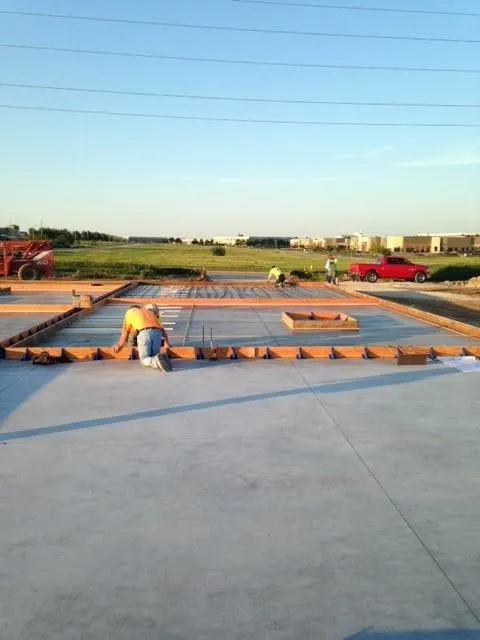
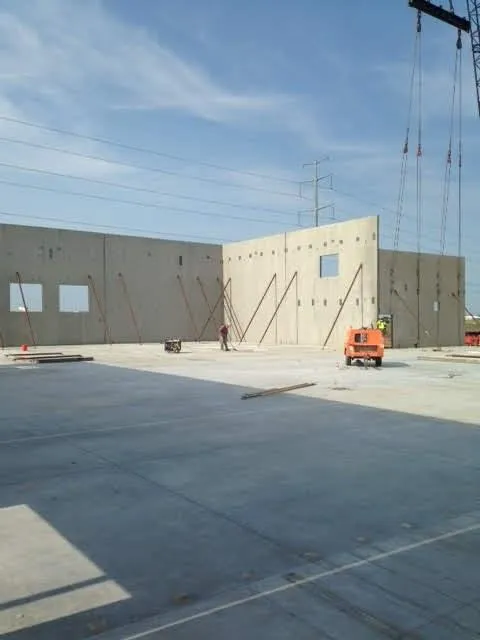
RANGE BUILDING CONSTRUCTION: 1ST FEW MONTHS